
Wildlife Management
Wildlife in Your Home? We Can Remove It.
Science-based wildlife removal in San Antonio — led by a Wildlife Biologist who finds the root cause and seals it shut.
Don't share your home with wildlife.
Our Removal Process
We run root-cause inspections — not quick traps. Our biologist identifies the species, locates every entry point, removes the animals using professional methods, and seals the entry points we find to help keep them out.
Experience & Expertise
Anyone can set a trap. We solve the problem.
With extensive field experience, Bryan understands that wildlife and pest behavior is constantly evolving as species adapt to urban environments. He stays current on urban wildlife ecology, seasonal and biological pest patterns, environmental considerations, treatment methods that follow product label directions, and long-term exclusion strategies.
His background in biology ensures every recommendation is grounded in science, not guesswork.
See How We Work →How We Work
Six steps to solving a wildlife problem
Every job follows the same biologist-led process — whether it's a raccoon in the attic or a pest problem across the whole property.
Listen
We start with your story — what you're seeing, hearing, and where. Your observations point us to the species and the source.
Inspect
A thorough inspection of the structure or property to identify the species, entry points, damage, and root cause.
Explain
We walk you through exactly what's happening and why, in plain language — no scare tactics, no upsells.
Plan
A tailored plan built around the biology of the species and the realities of your property and budget.
Act
Professional removal, exclusion, sealing, and control — handled from start to finish.
Prevent
We close the loop: seal entry points, modify habitat, and set up long-term prevention so it stays solved.
Species We Handle
Every species needs a different approach.
Here's how our biologist-led team handles San Antonio's most common home invaders.
Raccoon Removal
Procyon lotor
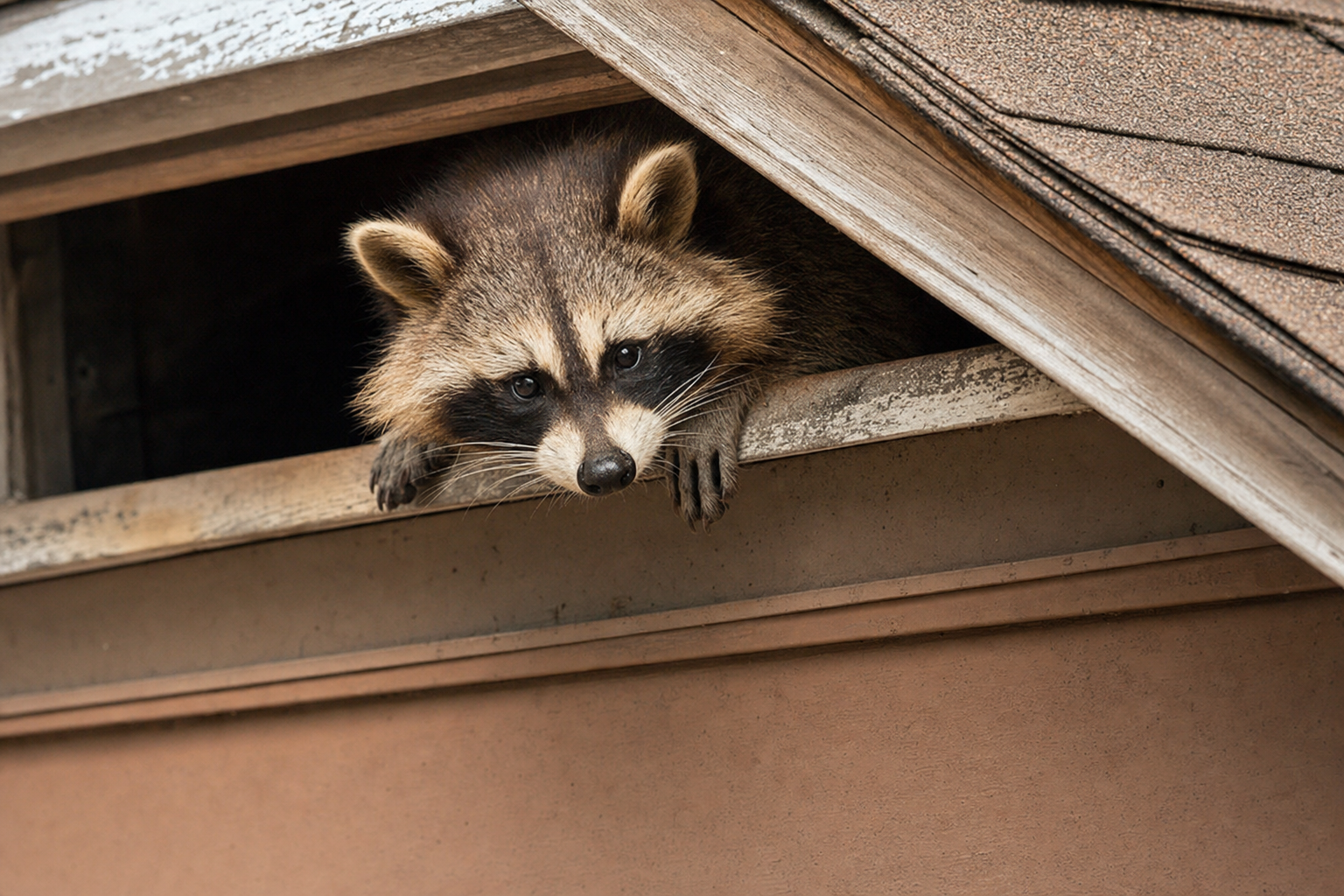
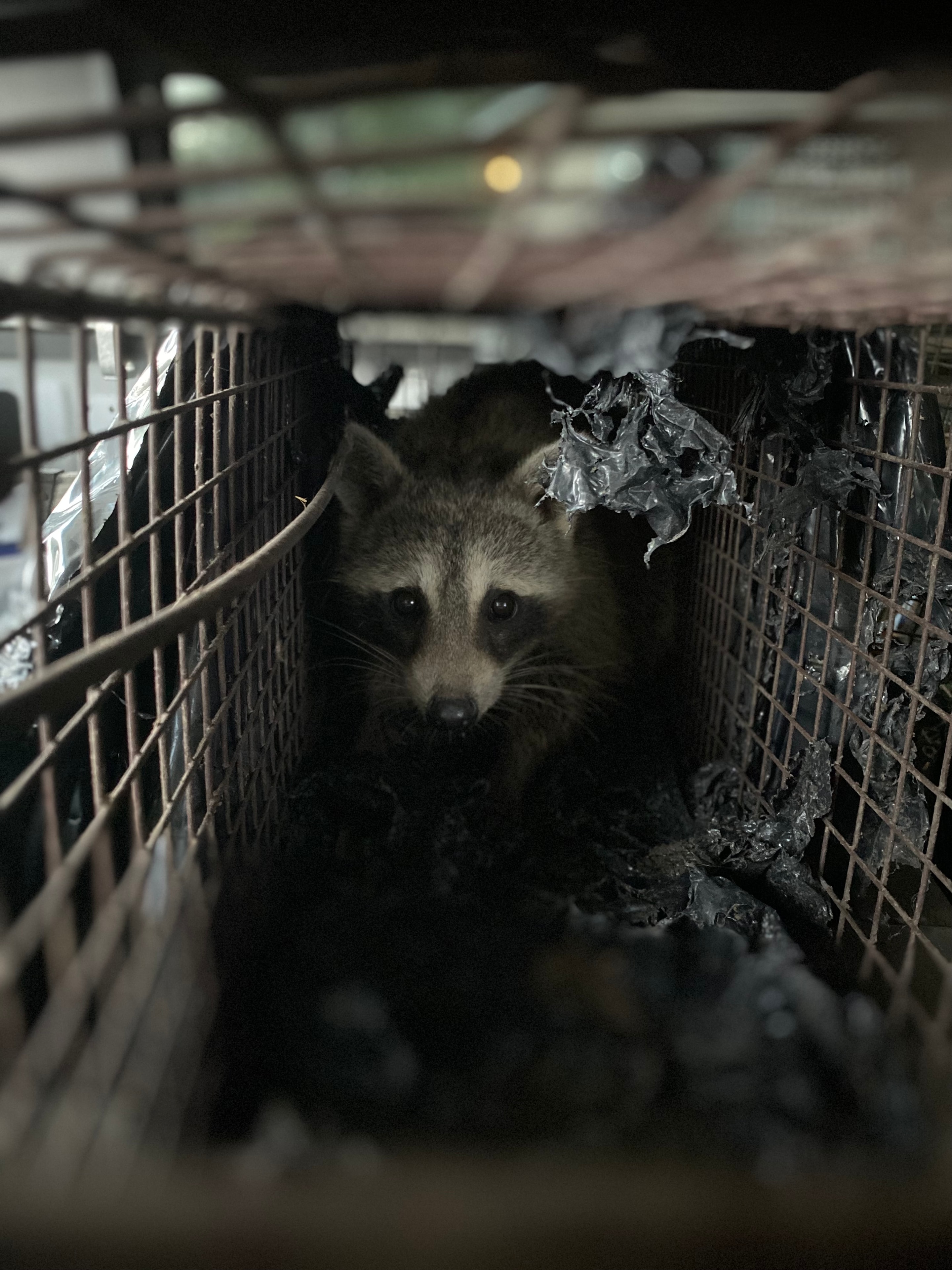
Raccoons are powerful and intelligent, tearing into attics, soffits, and chimneys, often to den with young in spring. We perform a full inspection, remove all animals including kits using standard removal procedures, then seal and reinforce entry points so they can't return.

Squirrel Removal
Sciurus spp.
Squirrels gnaw constantly, damaging wiring, wood, and they destroy insulation. We trap or install a one-way exclusion door so they leave on their own, then seal every gap with durable materials.
Bat Exclusion
Various Texas species
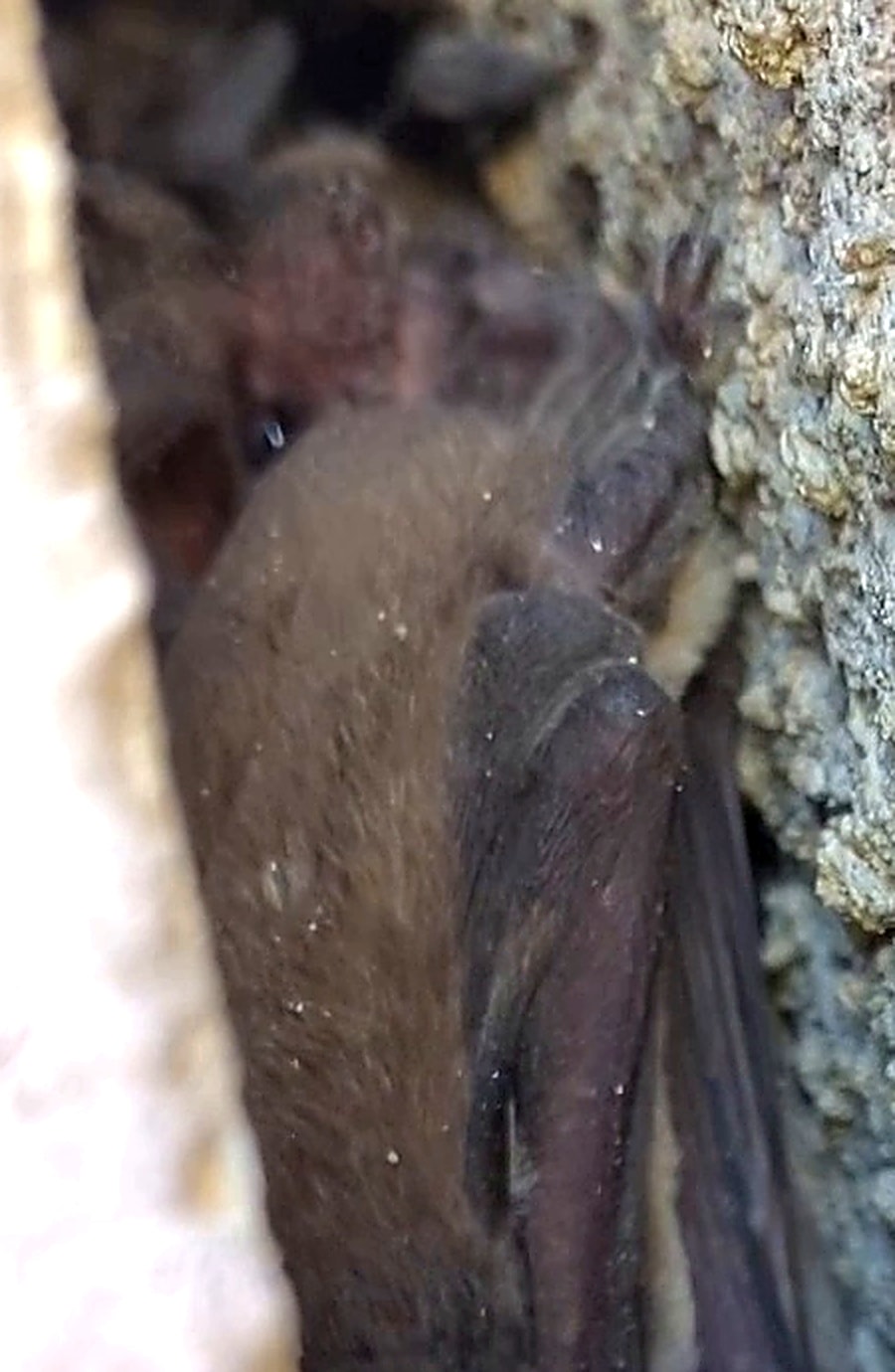
Bats are protected and require legally compliant, carefully timed exclusion. We never trap or harm them. We install one-way devices and seal entry points once the colony has left.

Skunk Removal
Mephitis mephitis
Skunks den under decks, sheds, and porches. Our biologist removes them and excludes the harborage so they don't move back in.
Snake Removal
Various Texas species
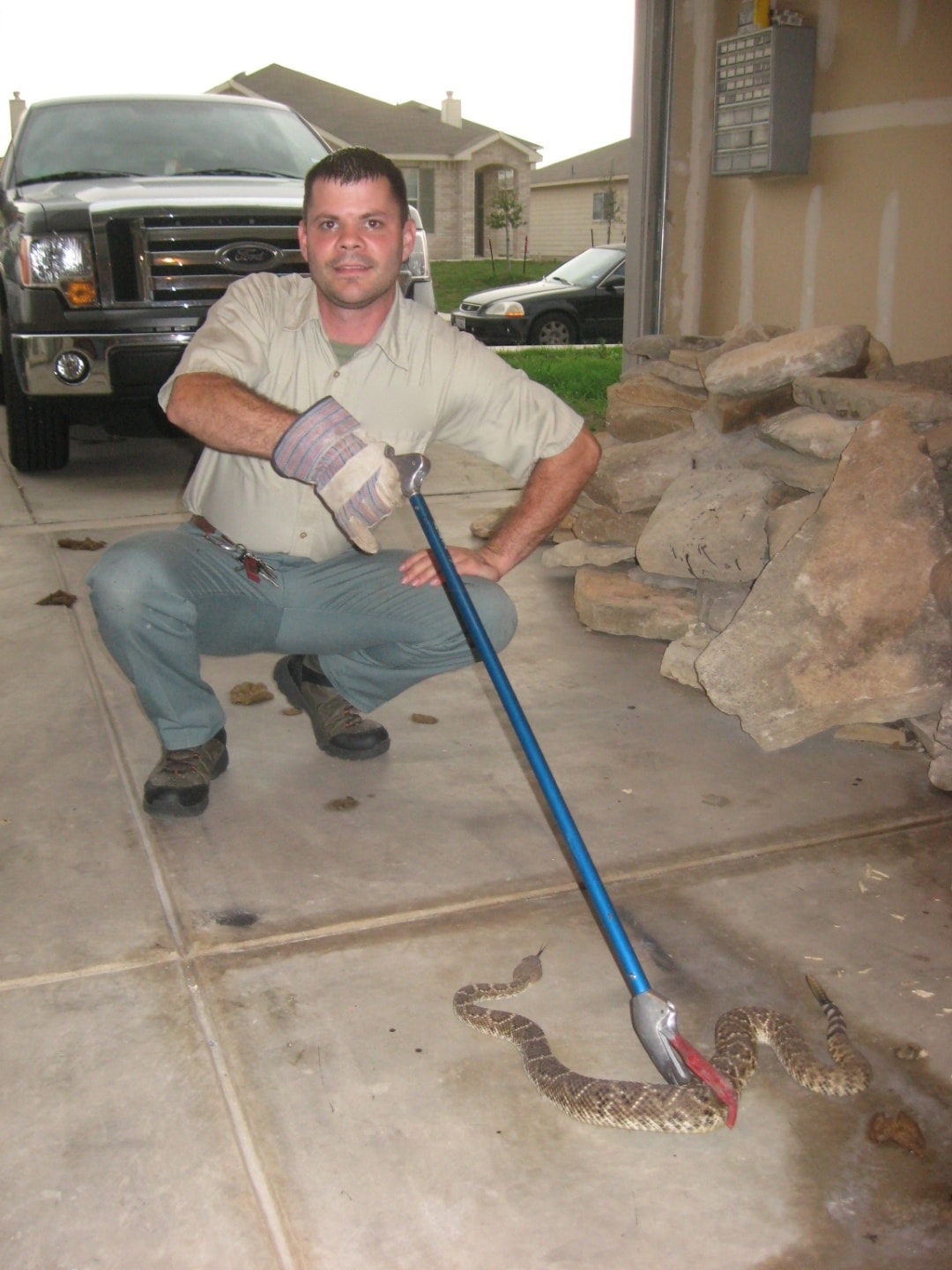
We safely identify and remove snakes from homes and yards, then advise on habitat and prey reduction so your property is far less inviting to them.

Bird Removal
Columba livia and others
Pigeons, house sparrows, and starlings nest on ledges, vents, and signage. Their droppings are acidic and corrode surfaces. Non-native species are not covered by the Migratory Bird Treaty Act, while native species are federally protected — approach varies by species.
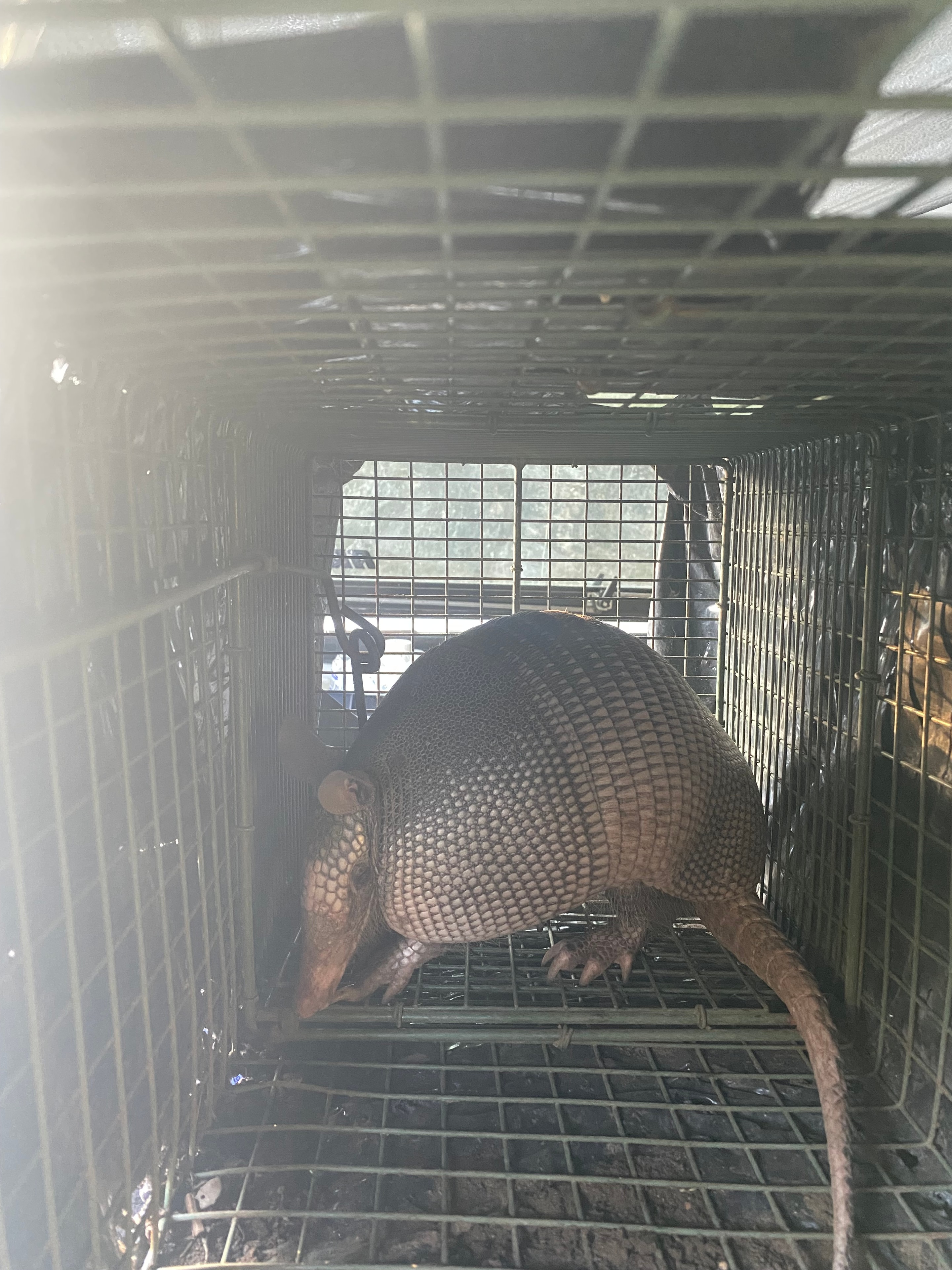
Armadillo Removal
Dasypus novemcinctus
The nine-banded armadillo digs for grubs and worms, leaving cone-shaped holes across lawns and burrows under slabs, decks, and driveways. It has poor eyesight, hunts by smell, and works mostly at dusk and after dark.
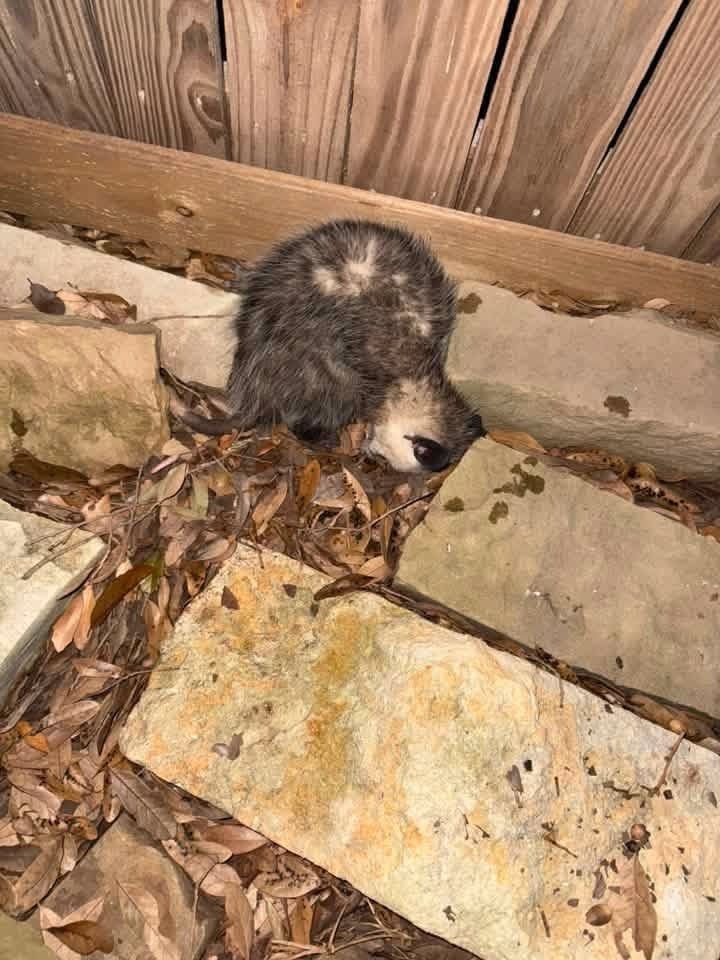
Opossum Removal
Didelphis virginiana
The Virginia opossum is North America's only marsupial. It dens under decks, sheds, and crawl spaces, rarely stays in one spot long, and plays dead as an involuntary stress response rather than a bluff.
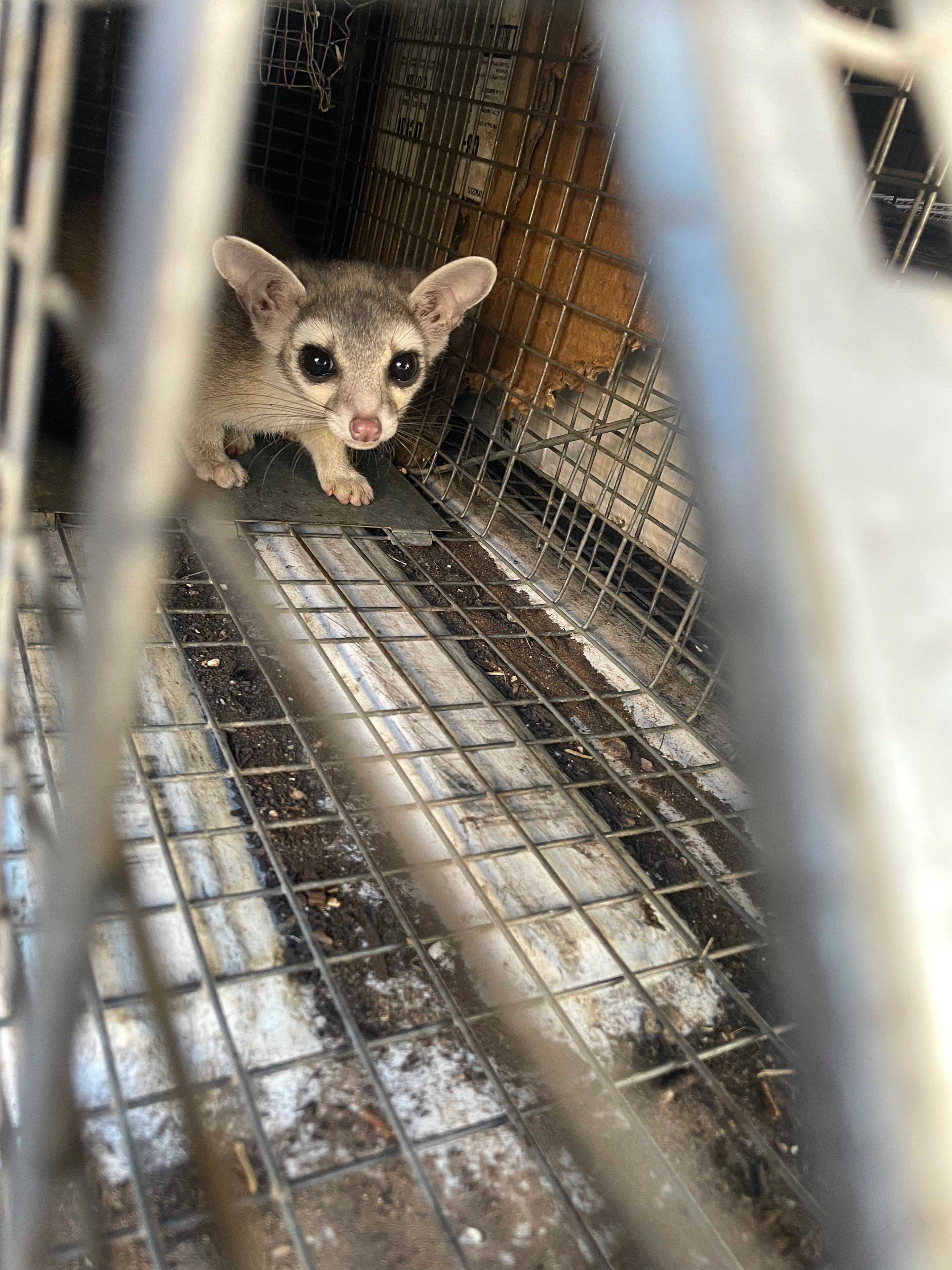
Ringtail Removal
Bassariscus astutus
A shy nocturnal relative of the raccoon, the ringtail is an expert climber that can rotate its hind feet to descend headfirst. Texas classes the ring-tailed cat as a fur-bearing animal, so any handling follows state wildlife regulations.
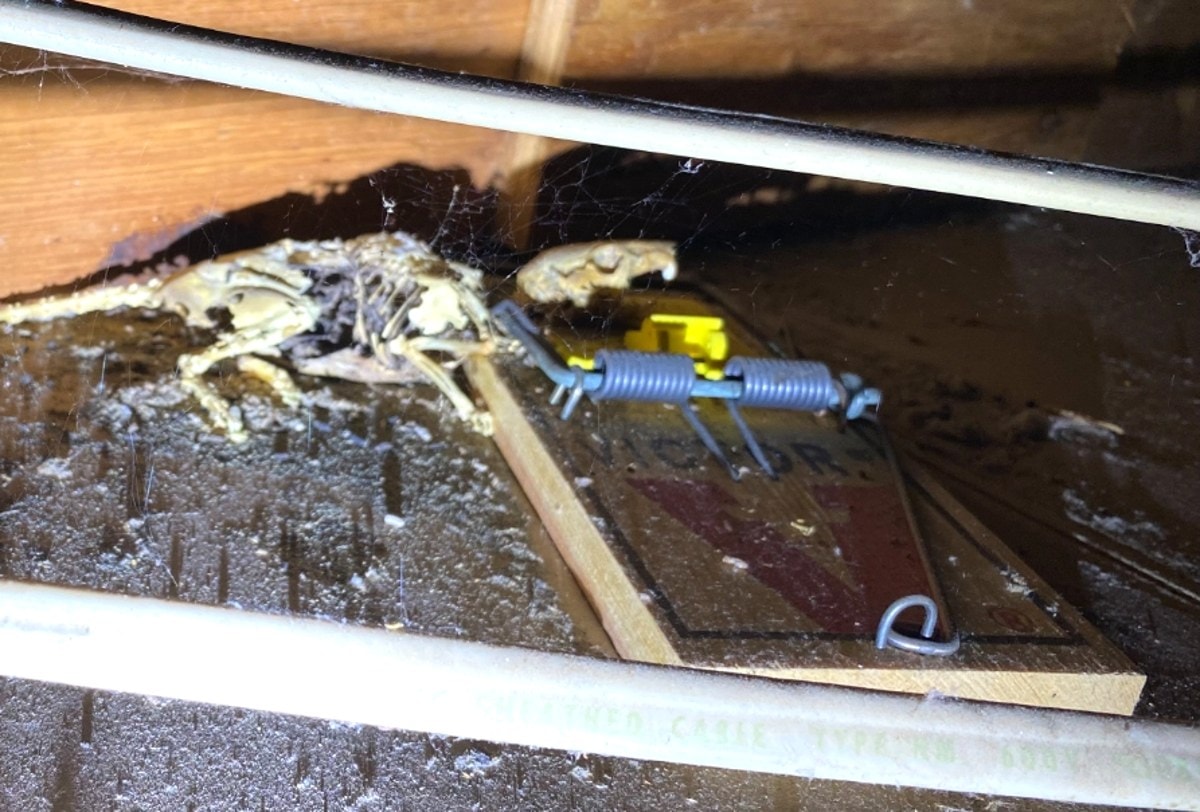
Rat & Mouse Control
Rattus spp. / Mus musculus
Roof rats climb well and nest in attics, soffits, and wall voids. House mice only need a gap about the size of a nickel to get inside. Both leave droppings, gnaw wiring, and contaminate stored goods. We trap, bait, and seal entry points.
Ready to solve the problem at its source?
Call or text for a thorough inspection.